
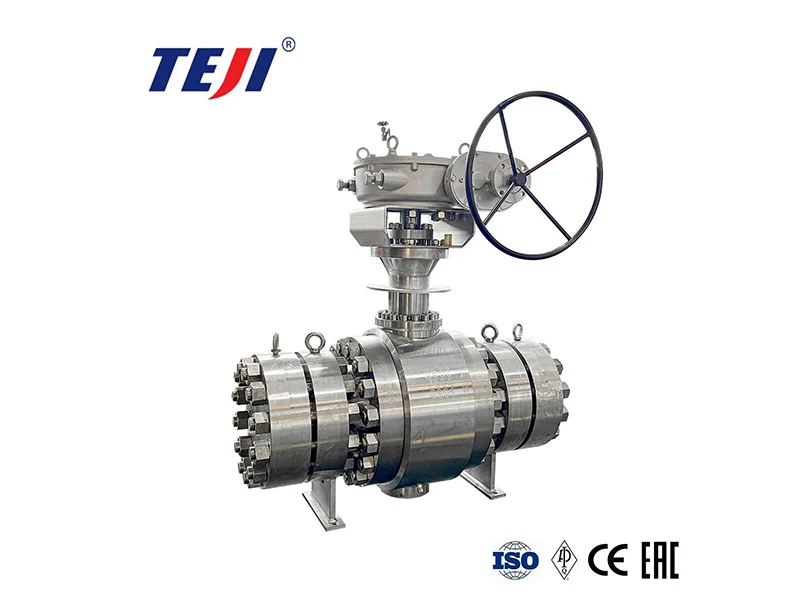
Large-diameter ball valves are specialized valves designed for long-distance pipeline systems. They are critical for controlling high-pressure, high-flow fluid systems and are typically installed in pipelines to regulate or shut off the flow. Before exploring large-diameter forged steel soft-seated ball valves, let us first clarify the criteria for defining “large-diameter.” Small bore Nominal size ≤ […]

EJI Valve Group Co., Ltd. congratulates the 24th China Petroleum and Petrochemical Technology and Equipment Exhibition in Beijing International Exhibition Center successfully concluded. During the development period, our company launched a number of independent R&D products. And cryogenic ball valve as our company’s unique products, mainly recommended to the majority of visitors, attracting a lot […]

Exhibition Date: 3rd ~4th July 2024. The exhibition brought together many domestic and foreign valve and fluid control industry quality exhibitors.It not only attracts a large number of domestic visitors, but also attracts the professionals from Russia, Singapore, Vietnam, India, Thailand, Indonesia, South Korea, Belarus, Spain, Argentina, Chile and so on. We,Teji Valve Group launched cryogenic valves as […]

Exhibition Date:3rd~5th Dec.2024. In this exhibition, we have prepared carefully and brought a number of innovative products and solutions which is aim to show our latest achievements in the field of high-end valve manufacturing to customers around the world. From intelligent control valves to special valves under extreme conditions, each product embodies the wisdom and […]
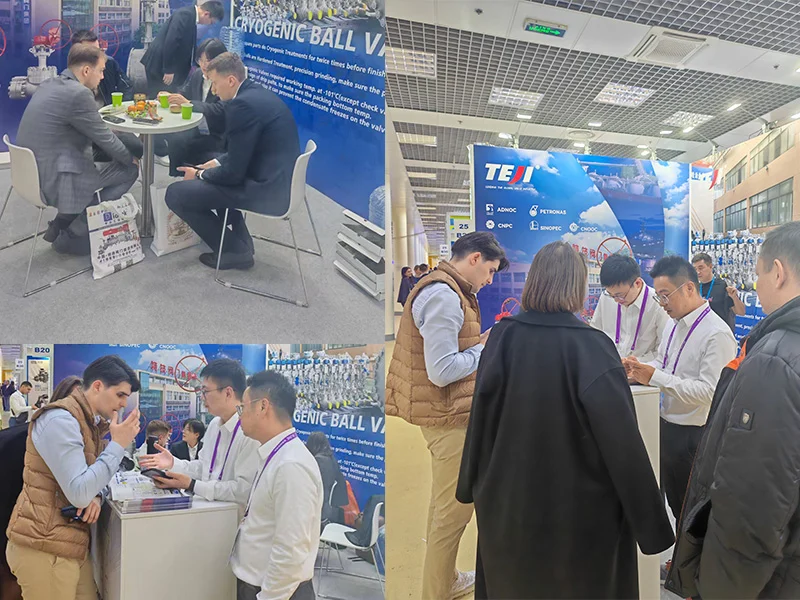
The NEFTEGAZ exhibition, held at the Moscow International Exhibition Center in Russia from April 14 to 17, 2025, spanned 21,000 square meters and attracted over 1,000 exhibitors from over 10 countries. The exhibition focused on the theme of “Green Technology, Digital Transformation, and Global Win-Win.” TEJI exhibited its independently developed ultra-low-temperature, top-entry, online-repairable ball valves […]
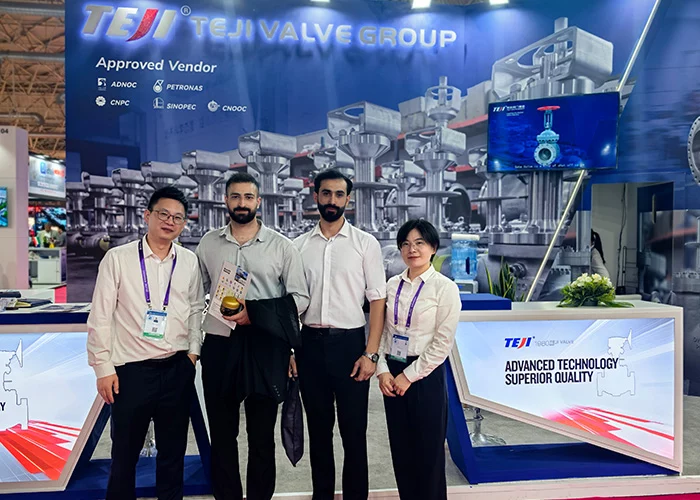
From May 8 to 11, 2025, the 29th Iran International Oil, Gas, Refining and Petrochemical Exhibition (IRAN OIL SHOW) was held in Tehran, Iran. As the most influential energy event in the Middle East, this exhibition attracted more than 3,000 companies from 65 countries around the world to participate in the exhibition, with more than […]


